12/12/25
.
10
min
Humanize the mobile experience and build greater loyalty

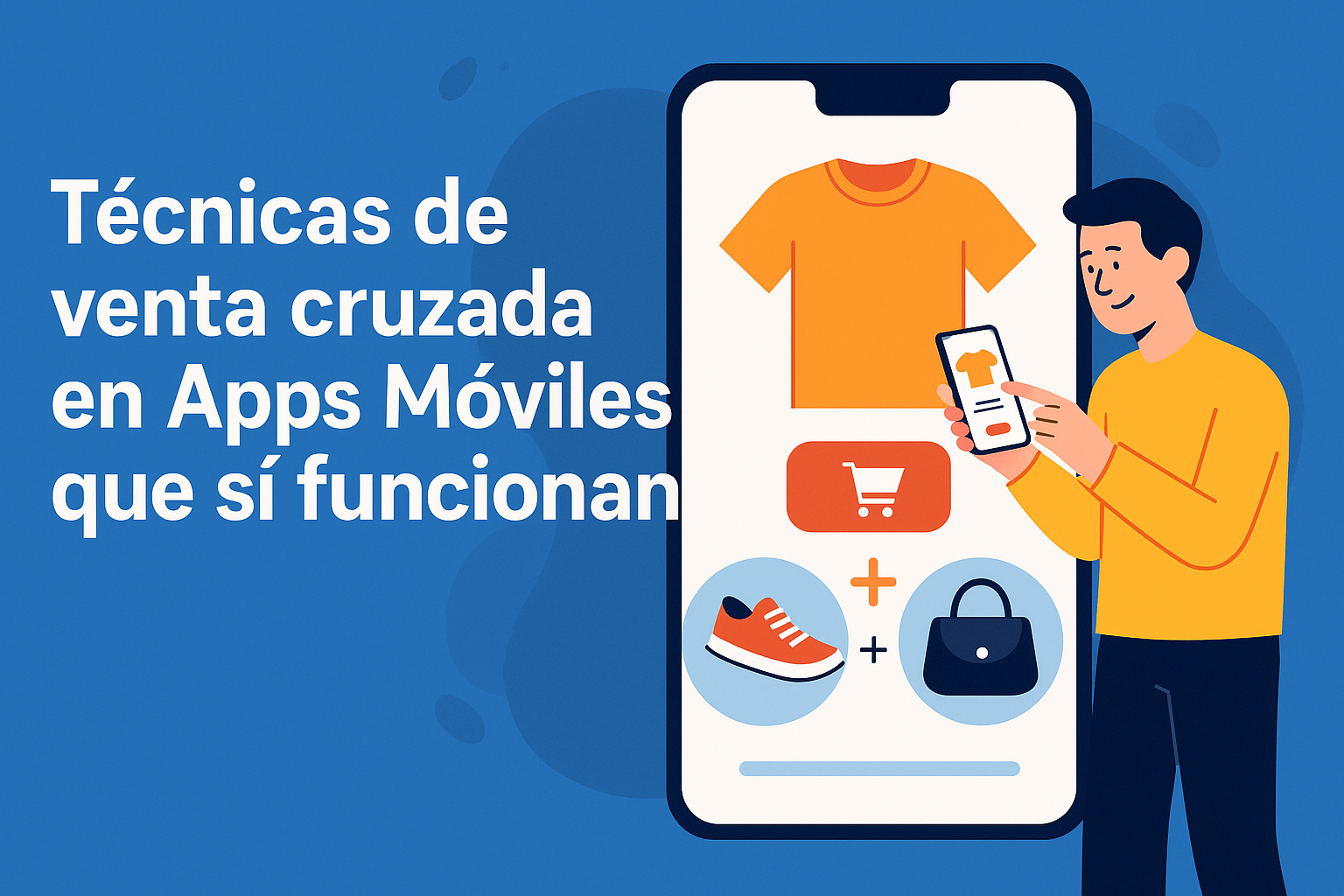
One of the most profitable ways to increase revenue in e-commerce is not to attract more traffic, but to raise the average order value. Cross-selling techniques in e-commerce apps are a decisive tool for achieving this: when applied correctly, they can increase the average ticket by between 20% and 40% (McKinsey). And in mobile apps—where users buy faster, with less friction and more frequently—cross-selling works even better.
This article explores cross-selling tactics that really deliver results, how to apply them seamlessly, and what data to analyze to optimize them. We'll also look at how Inside, the clothing, shoes, and accessories store, maximizes its average ticket size and customer loyalty thanks to smart cross-selling strategies within its app.
Mobile apps facilitate cross-selling because:
According to AppsFlyer, well-optimized apps achieve an average ticket price that is 28% higher than that of mobile websites.
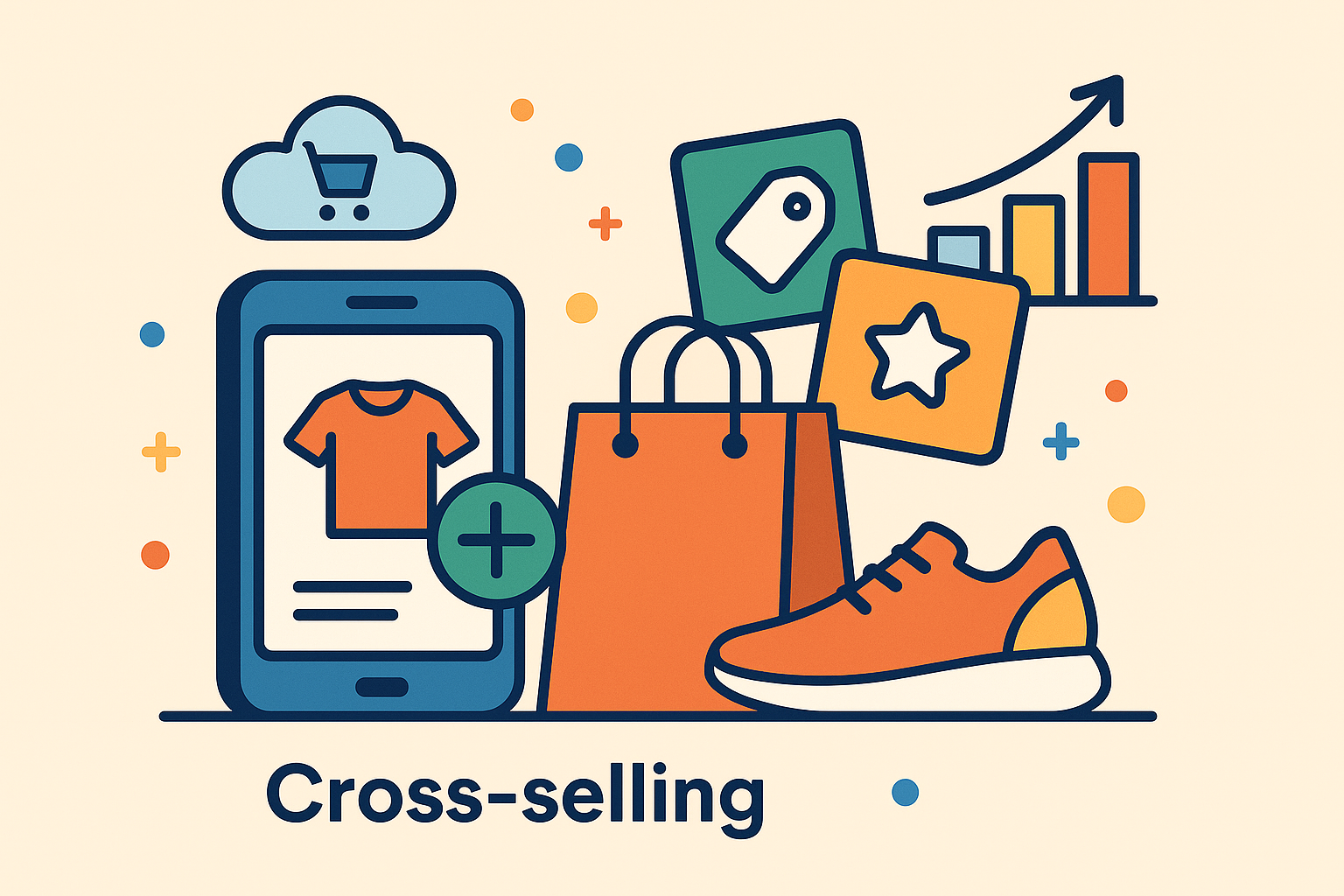
This is where the user has the strongest intent. You should display products that expand or enhance the main item:
These recommendations increase conversion on the product page by up to 15%.
The user has already made a decision. This is the area with the highest conversion rate for recommendations:
The shopping cart is where cross-selling generates the greatest increase in average ticket size.
Packs are one of the most effective tactics in the retention and activation cluster because they encourage the purchase of additional categories.
Combined offers can increase AOV by between 12% and 30%.
Using browsing data, previous purchases, and favorite categories, the app can display hyper-relevant recommendations without the user feeling intruded upon.
According to Segment, advanced personalization can increase revenue by 40%.
Push notifications are key when applied with intention and segmentation. Examples:
The CTR for these push notifications can exceed 20%.
Microinteractions facilitate action:
They reduce friction and increase the acceptance rate of recommendations.
A rarely used but highly effective tactic: displaying complete sets or categories that introduce the user to the world of products.
This strategy accelerates retention and increases the likelihood of repeat purchases.
The goal is not to force more sales, but to offer real value. For cross-selling to work, it must meet the following criteria:
When these rules are followed, cross-selling increases conversions and improves the overall experience.

Inside, a fashion brand with an extensive catalog, has implemented several cross-selling tactics within its Reskyt-powered app.
The combination of personalization, product intelligence, and micro-interactions makes Inside a clear example of the potential of mobile cross-selling.
Apps that optimize these metrics on a monthly basis achieve sustained improvements and a notable increase in their digital profitability.
The most effective ones include complementary recommendations, cross-selling in the shopping cart, combination packs, behavioral personalization, and smart push notifications.
Applying relevant cross-selling, bundled offers, dynamic recommendations, and micro-interactions that reduce friction during the purchase.
Displaying discreet, data-driven suggestions without interrupting browsing and offering real value with useful and complementary products.
AOV, CTR of suggestions, conversion of recommendations, recurrence, and pack acceptance rate are the priority metrics.
On the product page and in the shopping cart, where the intention to purchase is greater and recommendations are better received.
Cross-selling techniques in e-commerce apps allow you to increase revenue without increasing acquisition costs. Applied strategically—with relevance, consistency, and fluidity—they boost average ticket size, improve retention, and strengthen customer relationships. Cases such as Inside demonstrate the real impact of well-executed cross-selling: more sales, more repeat business, and a superior user experience.